7 Hal yang Wajib Dicek Sebelum Drone Sprayer Terbang, agar Semprotan Merata dan Aman
Lima menit pemeriksaan sebelum terbang bisa mencegah semprotan tidak merata, larutan terbuang, hingga drone jatuh. Ini daftar cek yang sebaiknya jadi kebiasaan setiap operator.
Five minutes of pre-flight checks can prevent uneven spraying, wasted solution, and even crashes. Here is a checklist every operator should make a habit.
起飞前花五分钟检查,就能避免喷洒不均、药液浪费,甚至无人机坠落。以下是每位操作员都应养成习惯的检查清单。
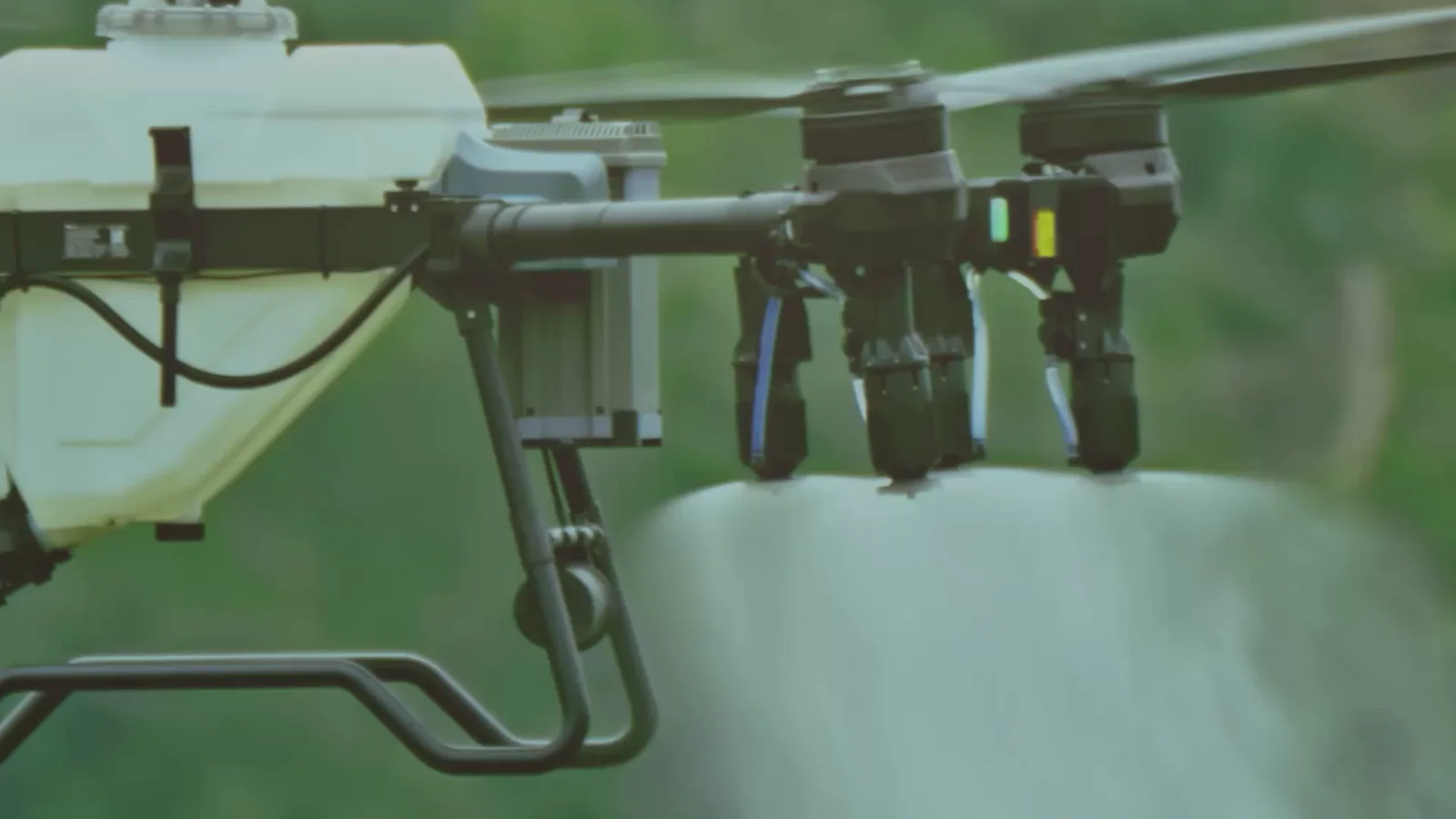
Drone sprayer mampu menyelesaikan penyemprotan berhektare-hektare dalam waktu singkat. Namun kecepatan itu hanya bermanfaat bila semprotannya tepat sasaran. Banyak masalah di lapangan, mulai dari tanaman yang tidak tersemprot rata sampai drone yang mendarat darurat, sebenarnya bisa dicegah dengan pemeriksaan sederhana sebelum terbang.
Berikut tujuh hal yang sebaiknya selalu dicek, baik untuk penyemprotan di sawah padi, lahan jagung, perkebunan sawit, maupun kebun tebu.
1. Baterai: Penuh, Dingin, dan Tidak Menggembung
Pastikan baterai terisi penuh dan suhunya normal, jangan langsung dipakai saat masih panas setelah diisi. Periksa fisiknya: baterai yang menggembung, retak, atau konektornya kotor dan gosong sebaiknya tidak diterbangkan. Siapkan baterai cadangan sesuai luas lahan agar pekerjaan tidak terputus.
2. Baling-baling dan Lengan Drone
Raba setiap baling-baling. Retak halus atau ujung yang terkelupas bisa membuat drone bergetar dan tidak stabil. Pastikan lengan terkunci sempurna di posisi terbuka dan tidak ada baut yang longgar pada dudukan motor.
3. Nozzle dan Saringan Bersih
Nozzle yang tersumbat sebagian adalah penyebab paling umum semprotan tidak merata. Bersihkan saringan tangki dan nozzle, lalu lakukan uji semprot singkat di darat. Perhatikan apakah semua nozzle mengeluarkan kabut yang sama dan tidak ada yang menetes.
4. Kalibrasi Takaran dan Campuran Larutan
Sesuaikan volume semprot per hektare dan ukuran butiran dengan jenis pekerjaan, karena kebutuhan untuk pestisida berbeda dengan pupuk cair. Campur larutan di wadah terpisah, aduk rata, dan saring sebelum dimasukkan ke tangki agar endapan tidak menyumbat pompa. Ikuti dosis yang tertera pada label produk.
5. Peta Lahan, Rintangan, dan Sinyal
Periksa batas lahan dan rute terbang di remote. Tandai rintangan seperti tiang listrik, kabel, pohon tinggi, dan gubuk. Pastikan sinyal GPS atau RTK stabil sebelum lepas landas, dan atur ketinggian terbang sesuai tinggi tanaman agar semprotan jatuh tepat di kanopi.
6. Cuaca: Angin, Hujan, dan Panas Terik
Hindari menyemprot saat angin kencang karena larutan mudah terbawa ke luar lahan. Jangan terbang saat hujan atau ketika hujan diperkirakan turun dalam waktu dekat, karena larutan bisa tercuci. Waktu terbaik biasanya pagi atau sore hari, saat angin lebih tenang dan penguapan lebih rendah.
7. Keselamatan Area dan Operator
Pastikan tidak ada orang atau ternak di jalur terbang. Gunakan sarung tangan, masker, dan pelindung mata saat mencampur larutan. Jaga jarak aman dari permukiman, kolam ikan, dan sumber air, serta patuhi aturan penerbangan drone yang berlaku di wilayah Anda.
Setelah Terbang, Jangan Langsung Disimpan
Bilas tangki, pompa, dan nozzle dengan air bersih setiap selesai bekerja agar sisa larutan tidak mengering dan menyumbat. Bersihkan badan drone, biarkan baterai dingin sebelum diisi ulang, lalu catat luas lahan dan jumlah larutan yang terpakai. Catatan ini membantu Anda menghitung kebutuhan pada penyemprotan berikutnya.
Kesimpulan
Pemeriksaan sebelum terbang hanya butuh beberapa menit, tetapi menentukan merata atau tidaknya semprotan, hemat atau borosnya larutan, dan awet atau tidaknya drone Anda. Jadikan daftar cek ini kebiasaan, bukan sekadar formalitas.
Mencari drone sprayer untuk lahan Anda? PT Diesel Agri Sukses Sejahtera (DASS) adalah distributor resmi drone pertanian EAVision dan VectorAgr. Bandingkan pilihan unitnya di halaman Bandingkan Produk atau hubungi tim kami.
A spray drone can cover many hectares in a short time. But that speed is only useful if the spray hits the target. Many field problems, from crops that are not evenly sprayed to emergency landings, can actually be prevented with simple checks before take-off.
Here are seven things you should always check, whether spraying rice fields, corn land, oil palm plantations, or sugarcane.
1. Batteries: Full, Cool, and Not Swollen
Make sure batteries are fully charged and at normal temperature; do not use them while still hot after charging. Check their condition: swollen or cracked batteries, or batteries with dirty or burnt connectors, should not be flown. Prepare spare batteries according to the field size so work is not interrupted.
2. Propellers and Arms
Feel every propeller. Hairline cracks or chipped tips can make the drone vibrate and become unstable. Make sure the arms are fully locked in the open position and that no motor mount bolts are loose.
3. Clean Nozzles and Filters
Partly clogged nozzles are the most common cause of uneven spraying. Clean the tank filter and nozzles, then do a short spray test on the ground. Check that every nozzle produces the same mist and none are dripping.
4. Dosage Calibration and Mixing
Set the spray volume per hectare and droplet size to suit the job, because pesticide and liquid fertilizer needs differ. Mix the solution in a separate container, stir well, and filter it before pouring it into the tank so sediment does not clog the pump. Follow the dosage on the product label.
5. Field Map, Obstacles, and Signal
Check the field boundary and flight route on the remote controller. Mark obstacles such as power poles, cables, tall trees, and huts. Make sure the GPS or RTK signal is stable before take-off, and set the flight height to match crop height so the spray lands right on the canopy.
6. Weather: Wind, Rain, and Strong Heat
Avoid spraying in strong wind, as the solution easily drifts outside the field. Do not fly in the rain or when rain is expected soon, because the solution can be washed off. The best time is usually morning or late afternoon, when the wind is calmer and evaporation is lower.
7. Area and Operator Safety
Make sure there are no people or livestock in the flight path. Wear gloves, a mask, and eye protection when mixing the solution. Keep a safe distance from homes, fish ponds, and water sources, and follow the drone flight regulations that apply in your area.
After the Flight, Do Not Store It Right Away
Rinse the tank, pump, and nozzles with clean water after every job so leftover solution does not dry and clog them. Clean the drone body, let the batteries cool before recharging, then record the area covered and the amount of solution used. These notes help you plan the next spraying.
Conclusion
Pre-flight checks take only a few minutes, but they decide whether spraying is even, whether solution is saved or wasted, and how long your drone lasts. Make this checklist a habit, not a formality.
Looking for a spray drone for your land? PT Diesel Agri Sukses Sejahtera (DASS) is the official distributor of EAVision and VectorAgr agricultural drones. Compare the units on our Compare Products page or contact our team.
植保无人机能在短时间内完成大面积喷洒。但只有喷洒精准,速度才有意义。田间的许多问题,从作物喷洒不均匀到无人机紧急降落,其实都可以通过起飞前的简单检查来避免。
无论是在稻田、玉米地、油棕种植园还是甘蔗园作业,以下七项都应每次检查。
1. 电池:充满、冷却、无鼓包
确保电池充满电且温度正常,充电后仍发热时不要立即使用。检查外观:电池鼓包、开裂,或接头脏污、烧焦,都不应再飞行。根据作业面积准备备用电池,避免作业中断。
2. 螺旋桨与机臂
逐一检查每片螺旋桨。细微裂纹或桨尖缺损会使无人机抖动、飞行不稳。确保机臂在展开位置完全锁紧,电机座螺丝没有松动。
3. 喷头与滤网保持清洁
喷头部分堵塞是喷洒不均最常见的原因。清洁药箱滤网和喷头,然后在地面进行短暂试喷。观察所有喷头的雾化是否一致,有无滴漏。
4. 剂量校准与药液配制
根据作业类型设置每公顷喷洒量和雾滴大小,因为农药与液体肥料的要求不同。在单独的容器中配药,搅拌均匀,过滤后再倒入药箱,以免沉淀物堵塞水泵。请按照产品标签上的剂量使用。
5. 地块地图、障碍物与信号
在遥控器上检查地块边界和飞行航线。标记电线杆、电线、高大树木和棚屋等障碍物。起飞前确保GPS或RTK信号稳定,并根据作物高度设置飞行高度,使药液准确落在冠层上。
6. 天气:风、雨与烈日
避免在大风时喷洒,因为药液容易飘出地块。不要在下雨或即将下雨时飞行,否则药液可能被冲刷掉。最佳作业时间通常是早晨或傍晚,此时风力较小、蒸发较少。
7. 作业区域与操作员安全
确保飞行路线上没有人员或牲畜。配药时佩戴手套、口罩和护目镜。与住宅、鱼塘和水源保持安全距离,并遵守当地适用的无人机飞行规定。
飞行结束后,不要直接收起
每次作业后用清水冲洗药箱、水泵和喷头,防止残留药液干结堵塞。清洁机身,待电池冷却后再充电,并记录作业面积和药液用量。这些记录有助于规划下一次喷洒。
结论
起飞前检查只需几分钟,却决定了喷洒是否均匀、药液是节省还是浪费,以及无人机的使用寿命。请把这份清单变成习惯,而不只是走过场。
正在为您的土地寻找植保无人机? PT Diesel Agri Sukses Sejahtera (DASS) 是 EAVision 和 VectorAgr 农业无人机的官方经销商。您可以在产品对比页面比较各款机型,或联系我们的团队。