7 Tips Olah Tanah Sawah dengan Rotary Tiller di Awal Musim Hujan
Olah tanah yang tepat membuat bibit padi tumbuh seragam. Ini tujuh tips memakai rotary tiller di sawah saat musim hujan, mulai dari memilih lebar olah hingga merawat pisau.
Proper tillage helps rice seedlings grow evenly. Here are seven tips for using a rotary tiller in rice fields during the rainy season, from choosing the working width to caring for the blades.
正确的整地能让秧苗生长整齐。以下是雨季在稻田使用旋耕机的七个技巧,从选择耕幅到保养刀片。
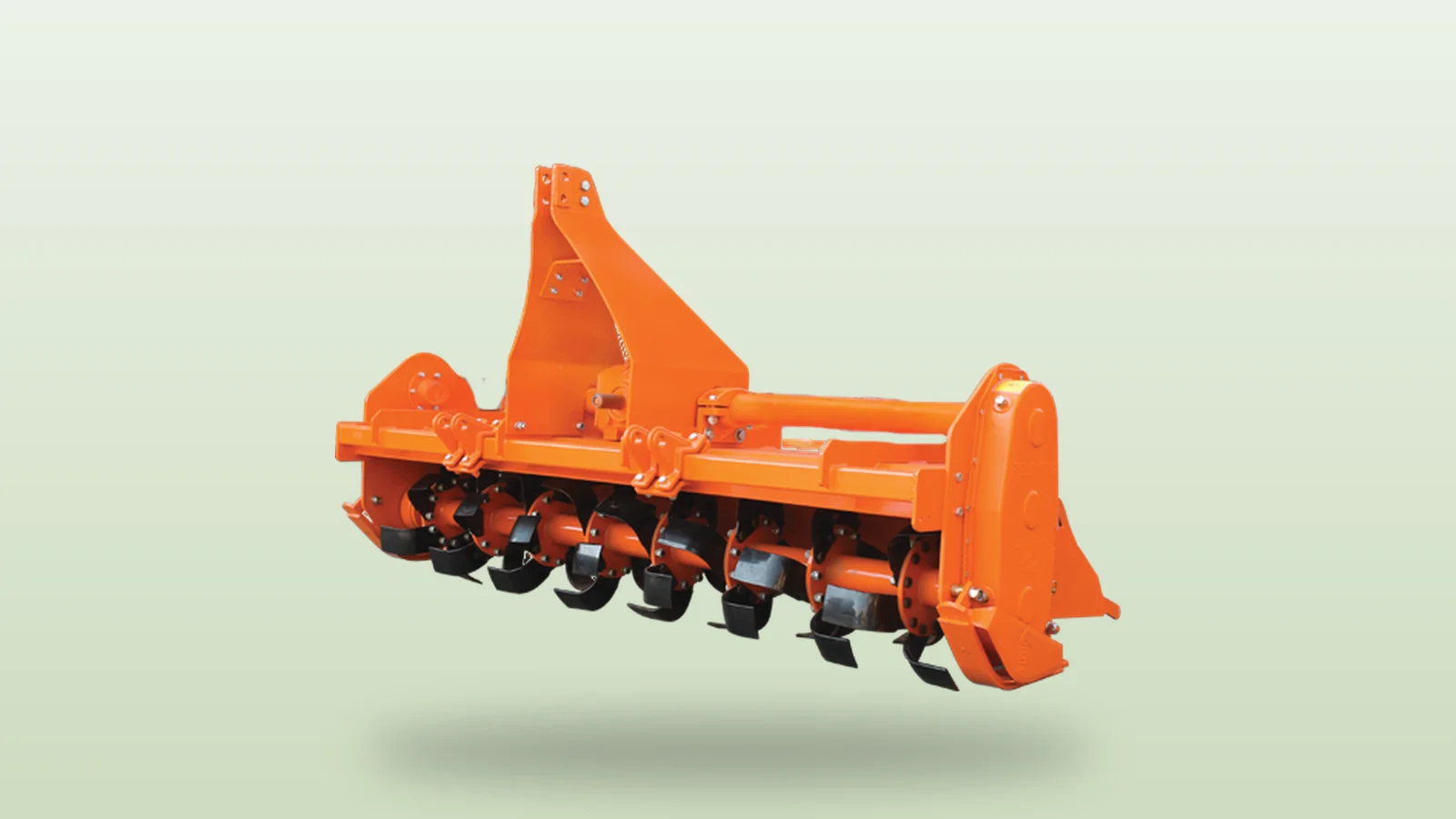
Musim hujan adalah waktu tersibuk untuk mengolah sawah. Olah tanah yang baik membuat lumpur halus dan rata, sehingga bibit padi tumbuh seragam dan gulma lebih mudah dikendalikan. Rotary tiller yang dipasang di traktor roda empat bisa menyelesaikan pekerjaan ini jauh lebih cepat, asalkan dipakai dengan benar. Berikut tujuh tips praktisnya.
1. Pilih Lebar Olah Sesuai Daya Traktor
Rotary tiller yang terlalu lebar untuk traktor kecil membuat mesin bekerja berat dan boros solar. Sebaliknya, unit yang terlalu sempit membuat traktor besar tidak efisien. Sebagai gambaran, Rotary Tiller SRT Series dari Panthera Agro tersedia dengan lebar olah 1,3 hingga 2,1 meter untuk traktor 25–65 HP. Cocokkan model dengan tenaga traktor Anda.
2. Atur Kedalaman Olah
Untuk sawah, olah tanah tidak perlu terlalu dalam. Yang penting lapisan olah gembur merata dan lapisan kedap air di bawahnya tetap terjaga agar sawah tidak bocor. Atur kedalaman lewat roda atau skid penyangga, lalu periksa hasilnya di beberapa titik setelah putaran pertama.
3. Perhatikan Kondisi Air
Tanah yang terlalu kering sulit hancur, sedangkan genangan yang terlalu tinggi membuat lumpur sulit teraduk rata. Kondisi ideal adalah tanah jenuh air dengan genangan tipis (macak-macak). Atur saluran masuk dan keluar air beberapa hari sebelum pengolahan.
4. Jaga Kecepatan Maju Tetap Stabil
Melaju terlalu cepat membuat bongkahan tanah tidak hancur sempurna. Gunakan gigi rendah dengan kecepatan maju yang konsisten, dan pastikan putaran PTO sesuai buku petunjuk. Buat jalur olah yang sedikit tumpang tindih agar tidak ada bagian yang terlewat.
5. Cek Pisau Sebelum Turun ke Sawah
Pisau yang aus, bengkok, atau baut yang kendur menurunkan kualitas olah dan membuat getaran berlebih. Periksa semua pisau dan kencangkan bautnya. Ganti pisau secara bersamaan per set agar putaran rotor tetap seimbang.
6. Lumasi Gearbox dan Titik Gerak
Periksa level oli gearbox sebelum musim dimulai, lalu beri gemuk pada titik-titik pelumasan dan sambungan as kardan (PTO shaft). Lumpur dan air yang masuk ke komponen tanpa pelumas adalah penyebab umum kerusakan dini.
7. Pahami Fungsi Pengaman Driveline
Rotary tiller umumnya dilengkapi pengaman seperti shear bolt atau slip clutch yang melindungi gearbox saat pisau membentur batu atau tunggul. Jika shear bolt putus, ganti dengan baut yang sesuai spesifikasi. Jangan menggantinya dengan baut biasa yang lebih keras, karena gearbox justru bisa rusak.
Bonus: Bersihkan Setelah Dipakai
Semprot lumpur yang menempel pada rotor dan rangka setelah selesai bekerja, lalu simpan di tempat teduh. Langkah sederhana ini mencegah karat dan membuat unit siap dipakai di musim berikutnya.
Mencari pasangan traktor dan implement olah tanah? Lihat Rotary Tiller SRT dan Power Harrow SRP dari Panthera Agro, pilihan traktor untuk sawah, atau hubungi tim DASS.
The rainy season is the busiest time for preparing rice fields. Good tillage produces a fine, level puddle, so rice seedlings grow evenly and weeds are easier to control. A rotary tiller mounted on a four-wheel tractor can finish this job much faster, as long as it is used correctly. Here are seven practical tips.
1. Match the Working Width to Tractor Power
A rotary tiller that is too wide for a small tractor makes the engine work hard and burn more diesel. On the other hand, a unit that is too narrow wastes the capacity of a large tractor. For example, the Rotary Tiller SRT Series from Panthera Agro comes in working widths of 1.3 to 2.1 metres for 25–65 HP tractors. Match the model to your tractor's power.
2. Set the Tilling Depth
Rice fields do not need very deep tillage. What matters is an evenly loosened topsoil layer while keeping the hardpan below intact so the field holds water. Set the depth with the depth wheels or skids, then check the result at several points after the first pass.
3. Pay Attention to Water Conditions
Soil that is too dry is hard to break up, while water that is too deep makes the puddle hard to mix evenly. The ideal condition is saturated soil with a thin layer of standing water. Adjust the field's inlet and outlet a few days before tilling.
4. Keep a Steady Forward Speed
Driving too fast leaves clods unbroken. Use a low gear with a consistent forward speed, and make sure the PTO speed follows the operator's manual. Overlap each pass slightly so no strip is missed.
5. Check the Blades Before Going into the Field
Worn or bent blades and loose bolts reduce tillage quality and cause excessive vibration. Inspect every blade and tighten the bolts. Replace blades as a full set so the rotor stays balanced.
6. Lubricate the Gearbox and Moving Points
Check the gearbox oil level before the season starts, then grease the lubrication points and the PTO shaft joints. Mud and water getting into unlubricated parts is a common cause of early wear.
7. Understand the Driveline Protection
Rotary tillers are usually fitted with protection such as a shear bolt or slip clutch that protects the gearbox when the blades hit a rock or stump. If a shear bolt breaks, replace it with one that matches the specification. Do not swap in a harder ordinary bolt, as this can damage the gearbox.
Bonus: Clean It After Use
Spray off the mud stuck to the rotor and frame after work, then store the unit in the shade. This simple step prevents rust and keeps the unit ready for the next season.
Looking for a tractor and tillage implement pairing? See the Rotary Tiller SRT and Power Harrow SRP from Panthera Agro, our tractors for rice fields, or contact the DASS team.
雨季是整理稻田最繁忙的时候。良好的整地能让泥浆细碎平整,秧苗生长整齐,杂草也更容易控制。安装在四轮拖拉机上的旋耕机可以大大加快这项工作,前提是使用得当。以下是七个实用技巧。
1. 根据拖拉机功率选择耕幅
对小型拖拉机来说过宽的旋耕机会让发动机负荷过重、油耗增加;反之,过窄的机具又会浪费大型拖拉机的能力。例如,Panthera Agro的SRT系列旋耕机耕幅为1.3至2.1米,适配25–65马力拖拉机。请根据拖拉机功率选择型号。
2. 调整耕深
稻田整地不需要太深。关键是让耕作层均匀疏松,同时保持下方的犁底层完整,使稻田不漏水。通过限深轮或滑板调整耕深,第一趟作业后在多个位置检查效果。
3. 注意田间水分
土壤太干难以打碎,水层太深则泥浆难以搅拌均匀。理想状态是土壤饱和并保持浅水层。整地前几天就应调整好进水口和出水口。
4. 保持稳定的前进速度
车速过快会导致土块打不碎。使用低速挡并保持稳定的前进速度,PTO转速请按照说明书设定。相邻行程略微重叠,避免漏耕。
5. 下田前检查刀片
刀片磨损、弯曲或螺栓松动会降低耕作质量并引起过度振动。检查所有刀片并拧紧螺栓。更换刀片时应整套更换,以保持刀轴平衡。
6. 润滑齿轮箱和活动部位
季前检查齿轮箱油位,并给各润滑点和传动轴(PTO轴)万向节加注黄油。泥水进入缺乏润滑的部件,是早期损坏的常见原因。
7. 了解传动安全装置
旋耕机通常配有剪切螺栓或摩擦离合器等安全装置,在刀片撞到石块或树桩时保护齿轮箱。剪切螺栓断裂时,应更换符合规格的螺栓,切勿换成更硬的普通螺栓,否则反而可能损坏齿轮箱。
附加:用后及时清洁
作业结束后冲洗掉粘在刀轴和机架上的泥土,并存放在阴凉处。这个简单的步骤可以防止生锈,让机具随时为下一季做好准备。
正在寻找拖拉机与整地机具的搭配? 了解Panthera Agro的SRT旋耕机和SRP动力耙、稻田拖拉机,或联系DASS团队。